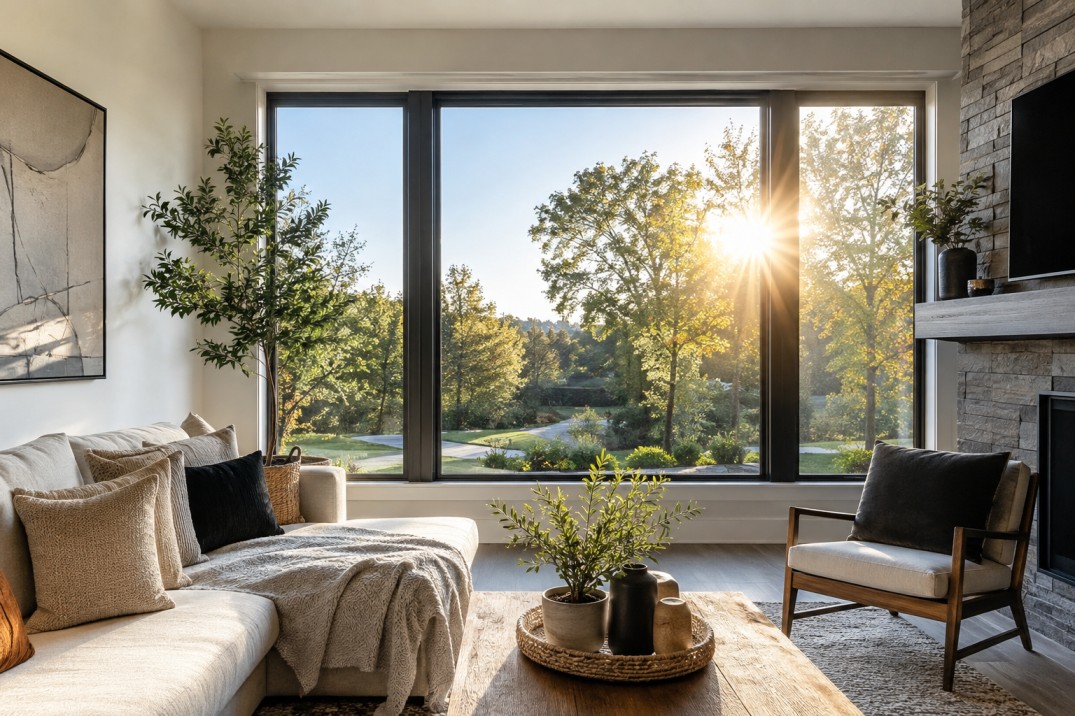
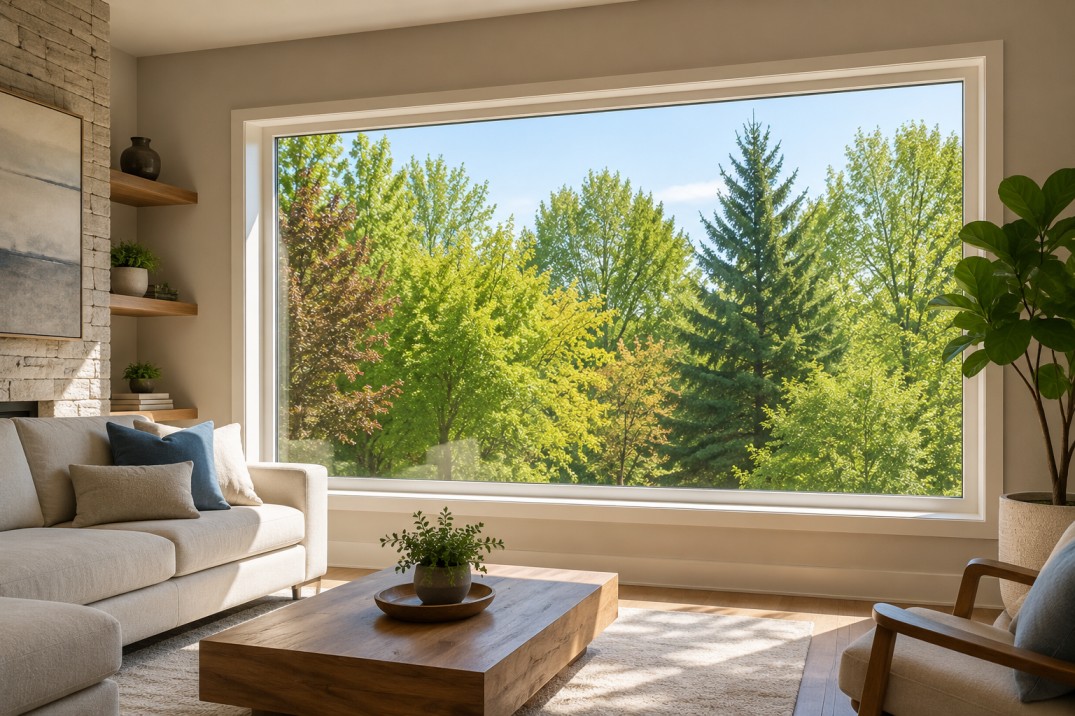
South-facing picture windows in a bright living room

Homeowners with a big south-facing picture window in the living room usually assume the same thing: more glass means more heat loss, so the window must be the problem. That is only half true, and the half that gets skipped is the part that actually matters for how you fix it. Picture windows do not leak air the way an old casement or slider might, since they have no moving sash and no hardware to wear out. Their heat loss happens through the glass itself, and on a south-facing wall, that same glass is also pulling in free solar heat for part of the day. Pete says this is one of the most common misunderstandings he runs into with Ottawa and Gatineau homeowners. Most homeowners never hear this side of the story, which is why they end up blaming the wrong thing and fixing the wrong problem. This guide breaks down what is really happening with heat loss on south-facing picture windows and what to actually look for before replacing one.

Key Takeaways

  • Picture windows lose heat mainly through the glass itself, not through air leakage, since the sash is fixed and does not open.
  • South-facing living room windows can bring in real, free solar heat in winter, but only if the glass is specified correctly for that orientation.
  • The same large window that helps on a sunny January afternoon can lose more heat than a smaller window overnight, since more glass area means more surface for heat to escape through.
  • U-factor and Solar Heat Gain Coefficient (SHGC) matter more than air sealing when evaluating a picture window’s performance.
  • A picture window installed with the wrong glazing package for a south wall is a common and often invisible mistake.

Why Picture Windows Feel Different From Other Window Styles

A picture window is a large, fixed pane of glass with no opening sash. It is popular in living rooms because it maximizes the view and lets in more natural light than a window broken up by frames and hardware. Because there is nothing to open or seal, picture windows do not develop the drafts around moving parts that other window styles can develop over time. That is a real advantage, but it also means the usual advice about weatherstripping and hardware wear does not apply here the same way. Our picture window page covers frame and grid options if you are comparing styles for a living room renovation.

The Real Reason Large Picture Windows Lose Heat

Since a picture window cannot leak air through a moving sash, its heat loss comes almost entirely from conduction and radiation through the glass and frame, measured by the window’s U-factor. A lower U-factor means less heat passes through the glass for a given temperature difference between inside and outside. This matters more with picture windows than with other styles simply because of scale. A living room picture window can be several times larger than a typical bedroom window, so even a small difference in U-factor gets multiplied across a much bigger surface area. Alex sees this show up most often in older Ottawa and Gatineau homes with large original picture windows that were never upgraded. This is the detail most homeowners never hear when they are told their window is “just old” or “just needs new caulking.” On a picture window, the glazing package matters far more than the seal.

South-Facing Living Rooms: Heat Gain vs Heat Loss

South-facing walls get more direct winter sun than any other orientation in the Northern Hemisphere, and Ottawa’s low winter sun angle means that light travels deep into a south-facing room for several hours a day. This changes the heat loss picture in ways that are easy to get wrong.

Why South Facing Windows Can Actually Help in Winter

A south-facing picture window with the right Solar Heat Gain Coefficient can bring in meaningful free heat on sunny winter days, offsetting some of the heat it loses overnight. According to Natural Resources Canada’s guidance on upgrading windows and doors, an SHGC of roughly 0.3 to 0.4 tends to be the right balance for most renovated or new Canadian homes, high enough to capture useful winter sun without causing summer overheating.

Where South-Facing Windows Work Against You

The same large surface area that lets in solar heat during the day also loses heat overnight and on overcast days, when there is no sun to offset it. If a south-facing picture window is fitted with the wrong glazing, either too low an SHGC to capture any winter benefit, or too high a U-factor to hold onto the heat it does gain, homeowners end up with the worst of both outcomes: a cold window at night and an overheated room in summer afternoons.

What to Look for in a Picture Window for a South-Facing Living Room

When you are comparing quotes for a south-facing living room picture window, ask specifically for these three numbers rather than a general “energy efficient” claim:

  • U-factor. Look for 1.4 or lower for Ottawa’s climate, and lower still if the window is unusually large.
  • SHGC (Solar Heat Gain Coefficient). Aim for the 0.3 to 0.4 range on south walls to balance winter gain against summer heat.
  • Low-E coating type. Passive low-E coatings are built to let in more solar heat for winter benefit, while solar control low-E coatings are built to block more heat for summer comfort. A south-facing living room in a heating-dominated climate like Ottawa usually benefits more from a passive low-E option.Picture Window for a South-Facing Living Room

Common Mistakes With South-Facing Picture Window Installations

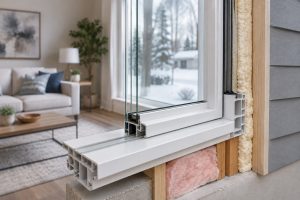
The most common issue Pete and Alex see is a south-facing picture window fitted with the exact same glazing package used everywhere else in the home, with no adjustment for orientation. This treats a south wall the same as a north wall, which wastes the solar benefit the orientation could otherwise provide. The second most common issue is a large window installed without enough attention to air sealing around the frame perimeter, even though the sash itself does not leak. The frame-to-wall connection still needs proper insulation, since that gap does not care whether the glass above it is fixed or operable. For more on what correct frame sealing actually looks like, see our guide on vinyl window installation and energy efficiency.

Picture Windows vs Other Living Room Window Styles

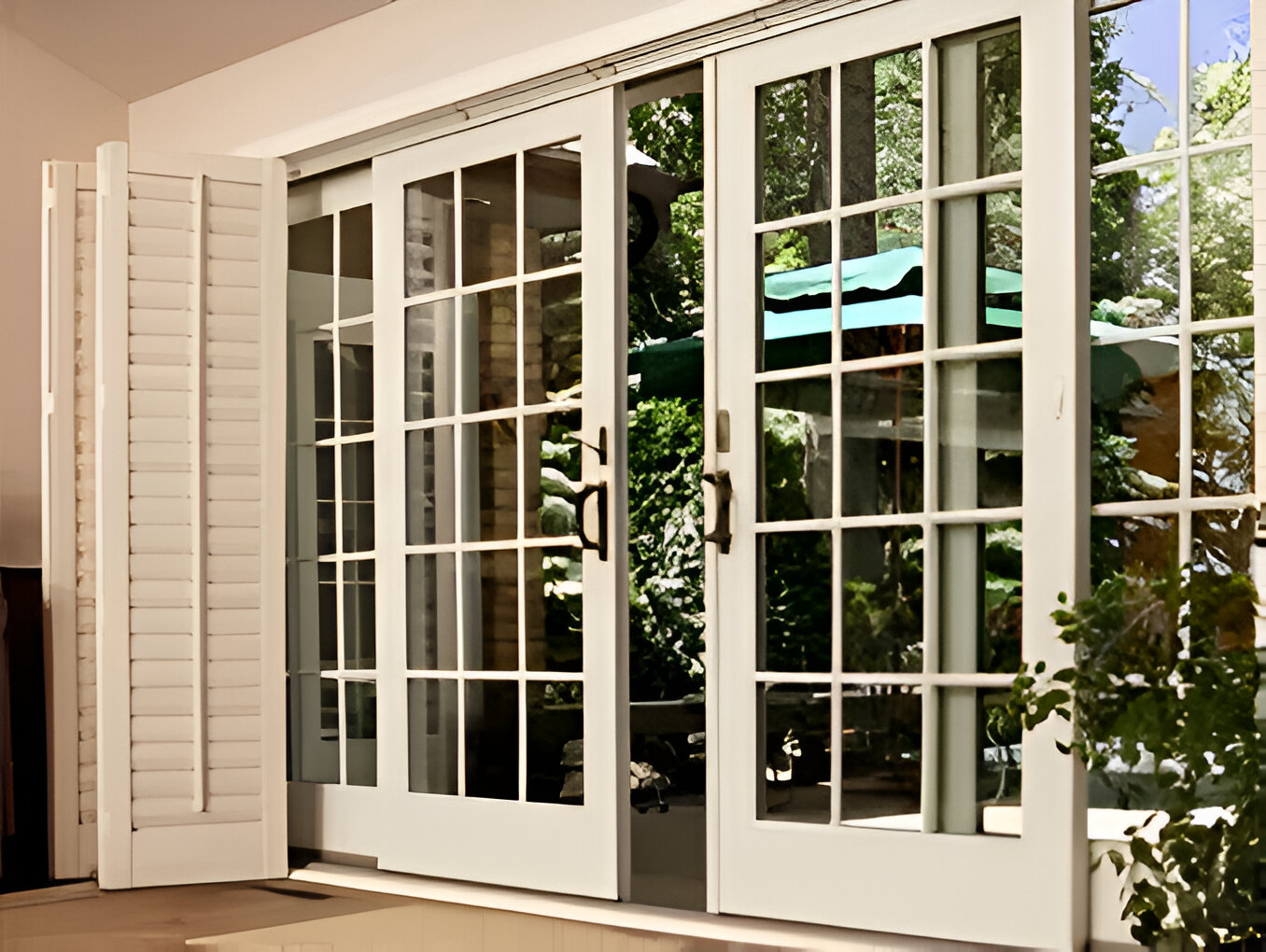
Picture windows are not the only option for a bright living room. Some homeowners combine a large fixed picture window with an operable window on either side, often a casement or slider, to get the view and light of a picture window while keeping some ventilation. Our casement windows cover this combination approach if fresh air matters as much as the view for your living room.

Choosing the Right Installer for South-Facing Picture Window Installations in Ottawa

A south-facing picture window is one of the few windows in a home where orientation should actually change what glazing package gets quoted. Not every installer adjusts for this. When comparing quotes, ask:

  • Do they adjust SHGC and Low-E coating type based on which wall the window faces?
  • Can they explain the U-factor and SHGC numbers on the specific window model they are quoting, not just say “Energy Star certified”?
  • What warranty covers seal failure on a large fixed pane specifically?

Our team, including Pete and Alex, has walked plenty of Ottawa and Gatineau homeowners through exactly this kind of glazing decision. If you want a second opinion on a quote you already received, or you are not sure whether your south-facing living room window has the right glazing, contact our team and we can walk through the numbers with you.

Get a Free Quote for Picture Window Replacement in Ottawa

If your south-facing living room feels colder than it should in winter or too hot in the afternoon sun, the glazing on your picture window is worth a second look before you assume the whole window needs replacing. Capitall Windows and Doors has helped Ottawa and Gatineau homeowners choose the right glazing for their home’s orientation for years, and every quote includes a clear explanation of the numbers behind it.

Frequently Asked Questions

Do picture windows lose more heat than other window styles?

Picture windows do not lose heat through air leakage the way an operable window can, since there is no moving sash. Their heat loss comes from conduction through the glass, measured by U-factor. Because picture windows are often larger than other styles, that heat loss can add up more overall even though the mechanism is different.

Is a south-facing picture window a good idea in Ottawa?

Yes, when it is specified correctly. A south-facing picture window with the right SHGC can bring in useful free heat during Ottawa’s sunny winter days. The mistake is treating it the same as a window on any other wall, which wastes that potential benefit.

What SHGC rating is best for a south-facing living room window?

Most renovated or new Canadian homes do well with an SHGC in the 0.3 to 0.4 range on south-facing glass, based on guidance from Natural Resources Canada. This balances winter solar gain against the risk of summer overheating.

Can a large picture window cause condensation in winter?

Large glass surfaces can be more prone to condensation than smaller windows if the interior glass surface gets too cold, which usually points to an older window or a lower quality glazing package. Our window condensation guide covers common causes and fixes in more detail.

How much does it cost to replace a south-facing picture window in Ottawa?

Pricing depends on the window’s size, the glazing package chosen, and whether the frame needs any structural adjustment. A larger picture window with a specialized low-E coating for south-facing sun will typically cost more than a standard glazing package of the same size. Request a free quote for exact pricing on your specific window.