Recommended Articles

0% Financing Available – Start Your Project Today find out more
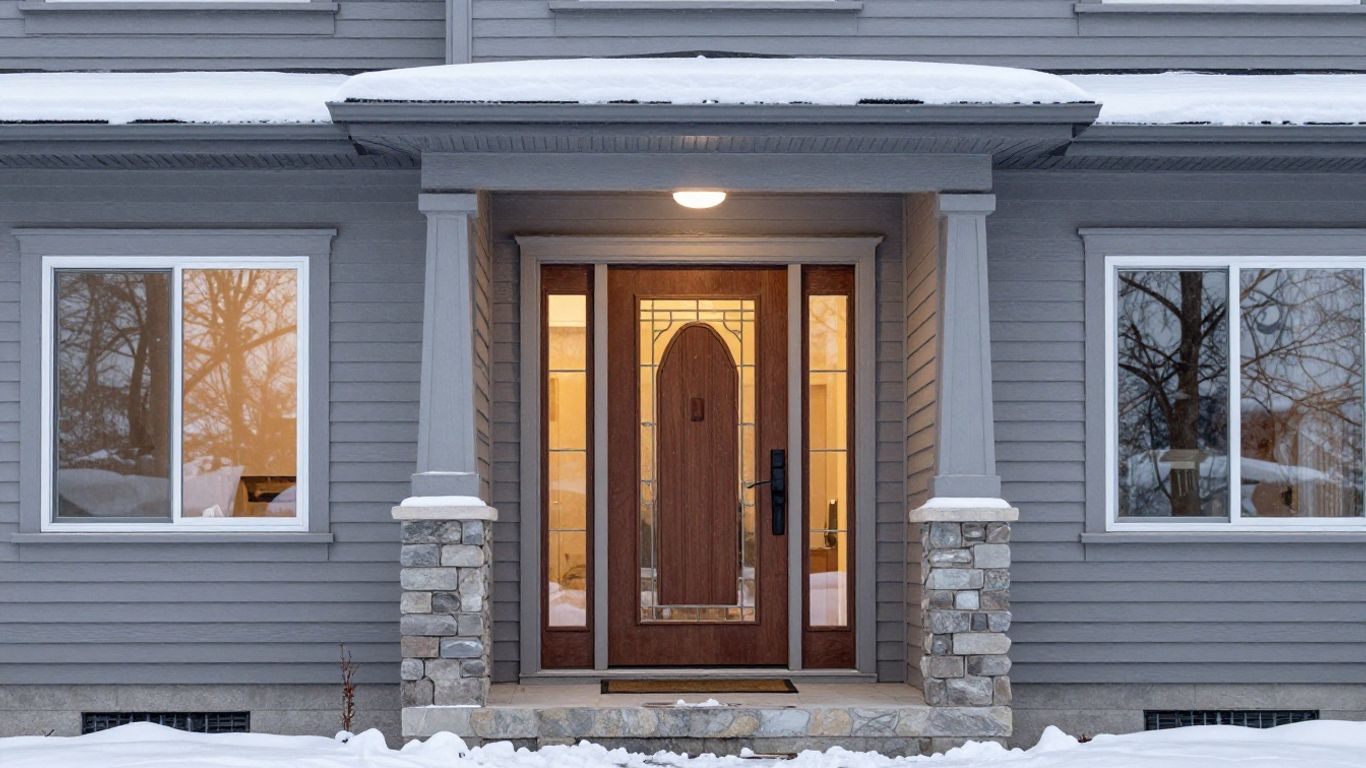
A front door is a small part of your home’s exterior, but it’s also one of the few places where you’re standing right next to the gap between inside and outside every single day, which is probably why it gets blamed for drafts more than almost anything else in the house. The truth is more specific than “steel doors are efficient” or “foam core is better.” Capitall Windows’ steel front doors in Ottawa and Gatineau are built around exactly this question, so it’s worth understanding what foam core insulation and an Energy Star label actually tell you, and what they don’t, before you decide whether your entrance needs a repair or a full replacement.
In an Ottawa winter, you notice a front door most when cold air sneaks in around it or the area beside it feels chilly. A door is only one part of your home’s exterior, but it is an opening that moves, closes, and depends on seals to meet the frame. Those details can influence comfort even when the door itself has an insulated core. It helps to look at the whole opening rather than assume the slab is the only source of heat loss.
The effect on your heating bill depends on more than the door’s material. Air leakage, the condition of the frame, the amount of glass, how often the door is used, and the rest of the home’s insulation all matter. If the entrance is drafty, your heating system may have to work harder to maintain a comfortable temperature nearby, but the size of any bill change varies from home to home.
That is why a replacement decision should start with a diagnosis, not a promised savings figure. A well-fitted, insulated door can improve comfort, but an expensive door installed into a poorly sealed opening may disappoint. When you compare front and entry door options, consider the product, the opening, and the installation together.
A draft is the clearest sign to investigate, especially if you feel moving air near the edges when the door is closed. Cold air can also collect around the threshold, while a gap that is visible in daylight suggests the door is not sealing evenly. Those clues point to air leakage, though they do not tell you by themselves whether the fix is a new seal, an adjustment, or a replacement.
You might also notice the door sticks, rattles, or needs extra force to latch. Changes in fit can come from worn hardware, a shifting frame, or a door that has warped or deteriorated. If the door surface feels cold, that can be worth noting, but touch alone cannot tell you the complete thermal performance of the assembly.
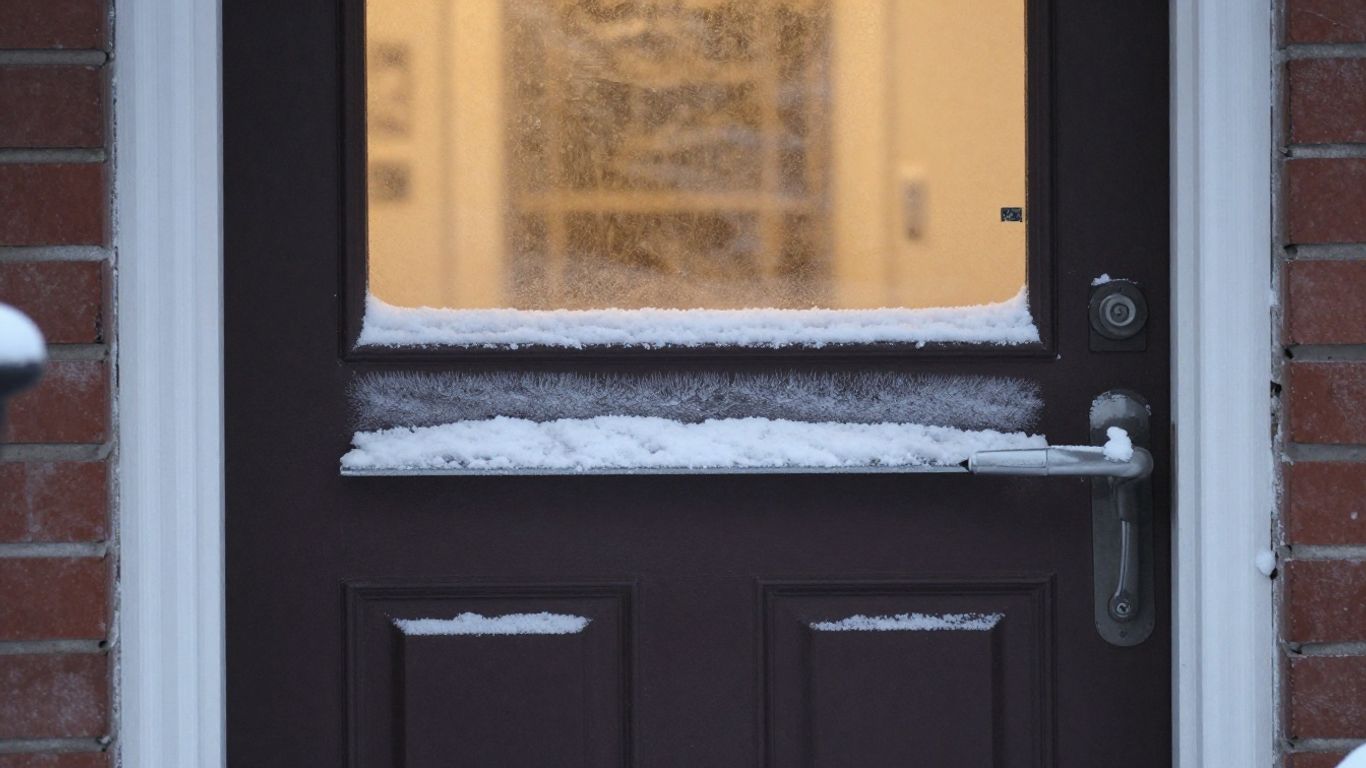
Look for patterns rather than relying on one chilly day. If the problem is concentrated at the bottom edge, a sweep or threshold adjustment may help; if the perimeter leaks in several places or the frame is damaged, the issue may be broader. A simple tissue test on a windy day can help locate moving air, but it is not a substitute for checking the door’s alignment and seals.
Already seeing daylight around the frame? Request a free assessment and we’ll tell you whether it’s a seal fix or a replacement.
A foam core door has an insulating material within the door slab, between its exterior skins. In a steel door, the outer steel provides the surface while the core helps slow heat transfer through the panel. The actual construction and measured performance differ among products, so the phrase “foam core” alone does not establish a particular rating.
A hollow steel door has little insulating material in its central cavity, while a foam-core model fills that space with insulation as part of its construction. That difference can make the foam-core option a more appropriate starting point for a heated home’s exterior entrance. Still, the frame and perimeter seals can let air through even when the slab itself is insulated.
Think of the core as one layer in a system, not a complete solution. A door with foam core insulation may feel more substantial than a hollow panel, but the product label and tested ratings are more useful than appearance or a general description.
Energy Star is a certification and labeling program that helps consumers identify products that meet applicable energy-efficiency criteria. For a door, check the label and product documentation for the exact model and configuration rather than assuming every door in a brand’s range qualifies. Certification criteria can change, so current program information and the model’s own documentation are the safest references.
A label does not tell you whether the door will be installed square, whether its frame is sound, or whether the weatherstripping will make a consistent seal. It also cannot predict your household’s heating savings, which depend on the home’s existing condition, weather, thermostat use, and other sources of heat loss. Treat certification as one useful comparison point, then look at the complete assembly and how it will be fitted.
If you’re comparing Energy Star doors Ottawa homeowners can buy, ask for documentation tied to the specific model, including any relevant rating information and configuration details. A glass insert, frame choice, or other option may affect the assembly, so avoid transferring a rating from one configuration to another without confirmation. The label helps you narrow the field; it does not replace a careful assessment of the entrance.
R-value and U-factor both describe thermal performance, but they do so from different directions. R-value expresses resistance to heat flow, where a higher value generally indicates greater resistance; U-factor describes heat transfer, where a lower value generally indicates less transfer. When comparing an R-value steel door, confirm what part of the product the figure applies to and whether the comparison uses the same basis.
A slab-only figure may not represent the complete door assembly, which can include the frame and other components. Ratings are most useful when they refer to comparable products and configurations. The terms below can help you read product information without treating one number as the whole story.
| Term | What it generally indicates | What to check |
|---|---|---|
| R-value | Resistance to heat flow | Whether the figure applies to the slab or full assembly |
| U-factor | Rate of heat transfer | Whether lower values are being compared on the same basis |
| Air leakage | How much air passes through a tested assembly | Test information and relevance to the installed opening |
| Energy Star label | Whether a product meets applicable program criteria | Exact model and configuration covered |
For insulated steel doors Canada shoppers should compare documentation, not just a headline number. If two figures describe different components or use different test bases, they cannot fairly be ranked side by side. Ask for clarification before deciding, then consider fit, glass, frame, and sealing alongside the stated thermal rating.
Heat can move through the door panel, but air leakage around the panel is a separate problem. A foam core addresses heat transfer through the slab; it does not close a gap between the door and its frame. If you feel a draft, the location and pattern matter as much as the door’s construction.
The frame can be a weak point if it is damaged, poorly sealed to the surrounding wall, or out of square. Weatherstripping should meet the door evenly when it closes, and a worn or compressed seal can leave small openings. At the bottom, the sweep and threshold need to work together; a visible gap there can undermine an otherwise well-insulated panel.
A practical inspection follows the entire perimeter: hinges and latch side, top edge, threshold, and the joint between frame and wall. Look for daylight, damaged caulking, loose trim, or seals that no longer touch the door. If the source is unclear, a qualified assessment can help distinguish a repairable leak from a door or frame that needs more extensive work.
Weatherstripping and sweeps are often the first things to check because seals wear and can sometimes be replaced without changing the door. Before buying parts, note where air enters and whether the door closes evenly. A quick adjustment or a new seal may solve a localized problem, but it will not repair a badly deteriorated slab or a damaged frame.
These checks can help you decide what to investigate first:
If the door is structurally sound and the problem is limited to a seal, a repair may be the sensible choice. If drafts continue around several edges, the door no longer fits, or the frame has significant damage, replacement may be worth considering. Compare the cost of repair with the condition of the complete opening rather than replacing a door solely because one part is worn.
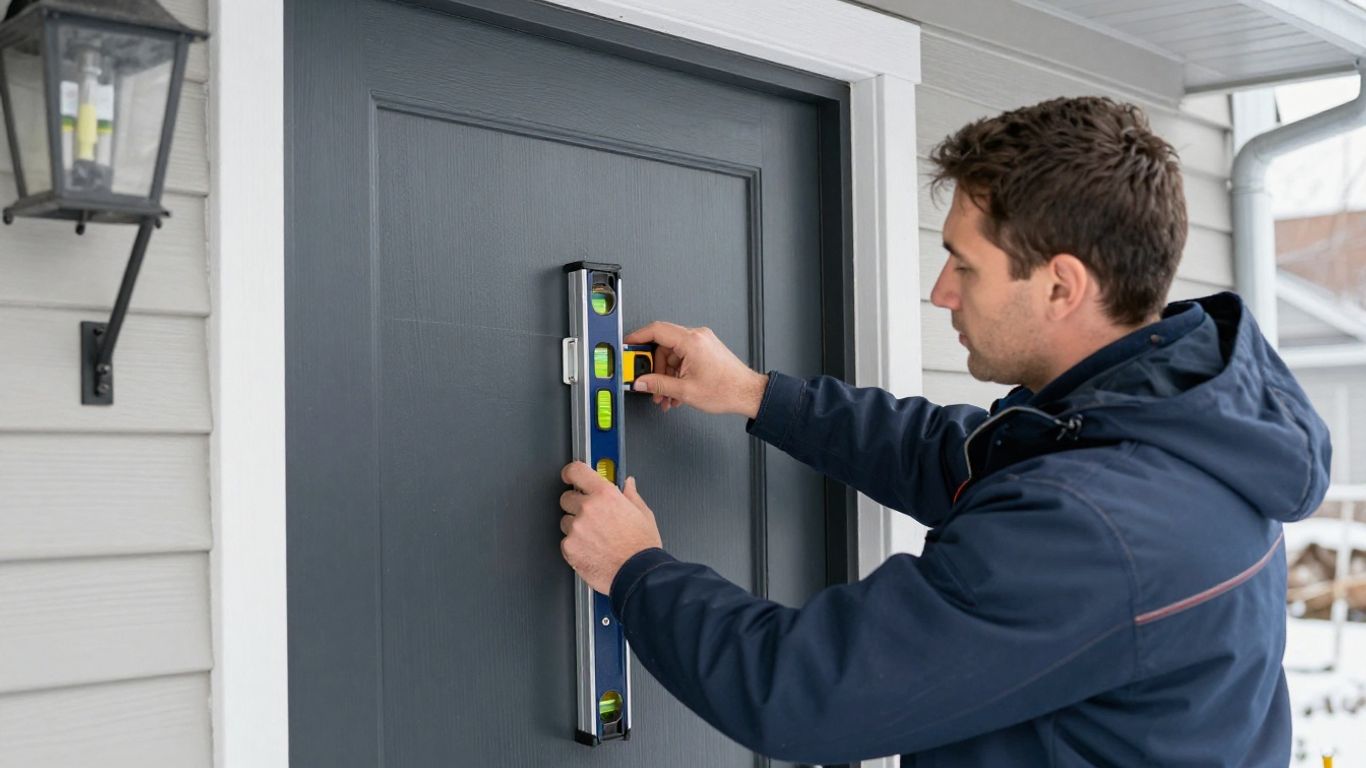
Even a well-rated door depends on a suitable opening and careful installation. The door needs to sit plumb and square, close without binding, and meet the seals consistently. Gaps between the frame and surrounding wall also need to be handled appropriately; a product label cannot compensate for air leakage at that joint. We see the identical gap between rated performance and real-world comfort on the window side of the business too, it’s the same shimming and air-sealing work that separates a properly fitted window from a technically correct one.
Before work begins, clarify what is included: removal of the old unit, preparation of the opening, fitting and fastening the new frame, sealing, and adjustment of the hardware. Ask how the installer will check that the door closes evenly and how they will address any issues found in the opening. These questions help you compare proposals on more than the door itself.
Good installation is not a decorative extra; it is part of getting the performance you paid for. Technical expertise from our licensed installers across Ottawa and Gatineau, particularly Pete and Alex, is what separates a door that performs like its label from one that doesn’t, and it’s also why every completed install is backed by our lifetime warranty on hardware and craftsmanship rather than just the manufacturer’s product rating.
Material alone does not determine which door will perform best. Steel, fiberglass, and wood doors vary by construction, core, thickness, glass, and frame, so compare the specific models and their available ratings. A well-sealed opening can matter more in daily comfort than a broad claim that one material always wins.
Steel is commonly paired with an insulating core, while fiberglass doors also come in insulated constructions. Wood has different thermal behavior and may suit some homes aesthetically, but its performance likewise depends on design and condition. For each option, check the complete door assembly, the maintenance requirements, the glass configuration, and whether the frame will fit your entrance.
For steel front doors Ottawa homeowners are weighing against other materials, start with the way you use the entrance and the condition of the existing opening. A product selection should balance thermal information with appearance, durability, budget, and the quality of the installation. The energy-efficient steel, fiberglass, and Century door options Capitall Windows carries each have their own documented ratings worth comparing against your specific entrance.
Glass changes the makeup of a door assembly, but it does not automatically make the door unsuitable for a cold climate. The type and amount of glass, its construction, and its installation all affect how the complete unit performs. If a model has an insert or sidelights, ask for information on that exact configuration rather than relying on a rating for a solid panel.
More glass may also change the amount of daylight and the look of the entrance, so the choice is a balance of priorities. Consider where the door faces, how much privacy you want, and whether the added light is useful in your entry. You can compare options with and without glass while keeping the rest of the assembly as similar as possible.
Pay attention to seals around the glass as well as the door perimeter. Condensation can have several causes, including indoor humidity and surface temperature, so it is not by itself proof that the door is defective, the same principle applies to condensation on window glass. If you see persistent moisture or notice a draft around an insert, check the product guidance and have the unit assessed before assuming replacement is necessary.
Seasonal changes can expose small problems at an exterior entrance. Ice, moisture, and repeated temperature swings may make worn seals or an imperfect threshold more noticeable, while dirt can interfere with smooth closing. A quick periodic inspection is more useful than waiting until a draft becomes obvious.
Check that the latch and hinges operate normally and that the door still meets its seals around the full perimeter. Keep the threshold clear of debris and look for cracked or displaced caulking where the frame meets the wall. Follow the door manufacturer’s care instructions for cleaning and any finish maintenance rather than applying products that may not suit the surface.
If you spot rust, peeling finish, damaged weatherstripping, or a change in fit, address the issue according to the product guidance. A sticking door may need adjustment; repeated sticking or a widening gap deserves a closer look at the frame and opening. Routine checks cannot prevent every problem, but they can help you catch a small repair before it becomes a larger comfort issue. Some Ottawa homeowners reduce how much seasonal wear the main door takes in the first place by pairing it with a storm door, which adds a buffer against wind-driven snow and ice at the threshold.
One common mistake is focusing only on the door slab and overlooking the frame, threshold, and wall joint. Another is treating an advertised R-value or Energy Star label as a promise about the heating bill. The product matters, but those details leave out the condition of your house and the quality of the installation.
It is also easy to compare quotes that do not cover the same work. One may include removal and sealing while another describes only the door unit, making the lower price hard to interpret. Ask each provider to spell out the product configuration, installation scope, and any assumptions about the existing opening. Pete and Alex, two of our installers, see this exact comparison problem come up on nearly every Ottawa and Gatineau door quote they review for a homeowner.
Finally, choosing a style before confirming measurements and requirements can lead to avoidable compromises. Consider swing, glass, privacy, hardware, and how the door will meet the frame, then verify the details with the installer. A measured, like-for-like comparison helps you choose an entrance that suits your home instead of chasing a single number or the lowest initial price.
Get a measured, like-for-like comparison. Book a free on-site assessment before you compare quotes.
There is no reliable single savings figure for every home. The result depends on how leaky the old door is, what condition the frame is in, the new unit’s performance, installation quality, heating system, and household habits. If the entrance is already well sealed, replacing the slab may produce a smaller change than fixing a substantial draft elsewhere.
You can still make a useful decision without a guaranteed dollar estimate. First identify the source of discomfort, then compare repair costs with the cost of a replacement that addresses the whole opening. If you replace the door, keep your quote and product information so you can assess comfort and energy use over time under similar conditions.
A new door may be worthwhile for reasons beyond a lower bill, including a more comfortable entry, better fit, or a style that suits the home. Treat energy savings as one possible benefit rather than a promised return. The most credible estimate is based on the specific existing condition and proposed assembly, not a generic claim attached to foam core door insulation.
The price of an insulated steel front door can depend on size, configuration, glass, frame, hardware, removal, and installation work. A quote should make clear which items are included and whether repairs to the surrounding opening are expected. Comparing the total scope helps you understand what you are paying for.
If you are considering financing through Capitall Windows and Doors, read the terms carefully and distinguish the door project’s total cost from the financing cost. Check the payment schedule, interest or promotional conditions, eligibility, and any fees directly with the provider. Do not assume that a particular door or installation automatically qualifies for a rebate or incentive; verify current program rules with the program administrator. The same 0% financing structure that applies to Ottawa window projects generally extends to door replacements too, with the same approval process on the lender’s side.
Ask for a written estimate for your own opening, then compare the product and installation details rather than relying on a general starting price. If your project also includes a patio door or another opening at the back of the house, ask whether bundling both into one quote changes the access or finishing costs. The right budget decision depends on both the condition you need to address and the terms you can comfortably manage.
Request your free door estimate or call 613-680-0492 to talk through your entrance.
Foam core insulation can help limit heat transfer through a steel door, but your heating comfort depends on the complete assembly: slab, frame, seals, and installation. Start by finding where air is entering, then compare repairs or replacement options using model-specific performance information and a clear installation scope. A carefully chosen and properly fitted door can make your Ottawa entry more comfortable, even though no label can promise a particular reduction in your heating bill.
Its insulating core can help slow heat transfer through the door panel, but the result also depends on the frame, glass, seals, and installation.
R-value describes resistance to heat flow, where higher is generally better; U-factor describes heat transfer, where lower is generally better. Compare figures only when they refer to similar products and test bases.
No. It indicates that a product meets applicable program criteria, but household savings depend on the existing door, installation, weather, and many other factors.
Check for moving air near the edges on a windy day, visible gaps, worn seals, or a door that does not close evenly. Those signs help locate a problem but do not identify the full repair by themselves.
It may help if worn or damaged seals are the source of the draft. It will not correct every problem, such as a damaged frame, a door that no longer fits, or a gap between the frame and wall.
Glass affects the performance of the complete assembly, but the result depends on the specific glass and configuration. Check ratings for the exact model rather than assuming all inserts perform alike.
No. Certification depends on the specific model and configuration, not the material alone. Check the label and documentation for the exact door and glass or hardware combination you’re considering.
Foam cores are generally stable, but overall door performance can decline if the frame shifts, seals wear, or the surrounding wall joint deteriorates. The core itself is rarely the first thing to fail.
Neither material automatically wins. Compare the specific models’ ratings, core construction, and installation quality rather than assuming one material is inherently superior for cold climates.
There’s no single target number that applies to every home. Compare R-value or U-factor figures only when they describe the same part of the assembly and the same test basis, then weigh that alongside frame quality and installation.