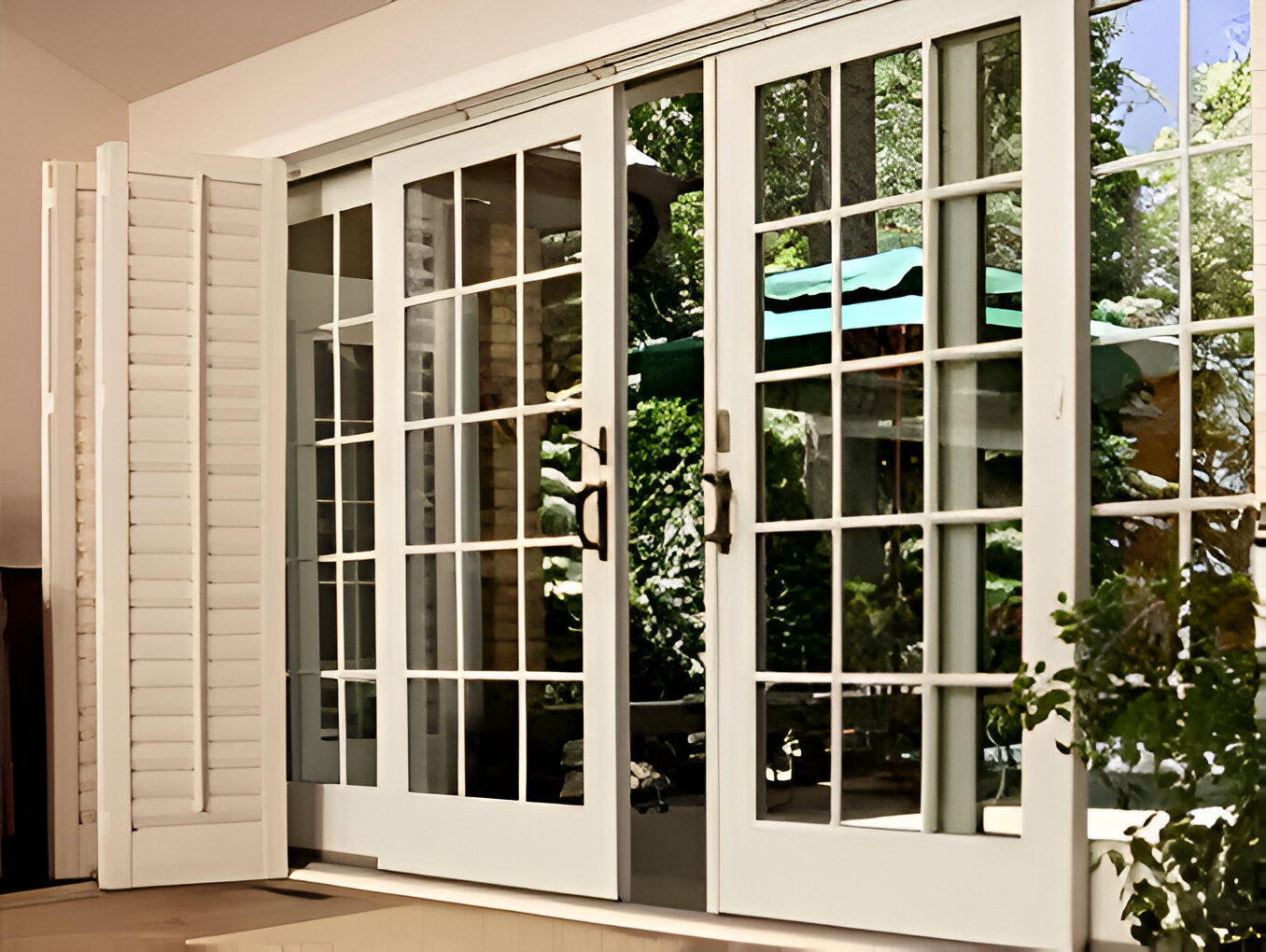
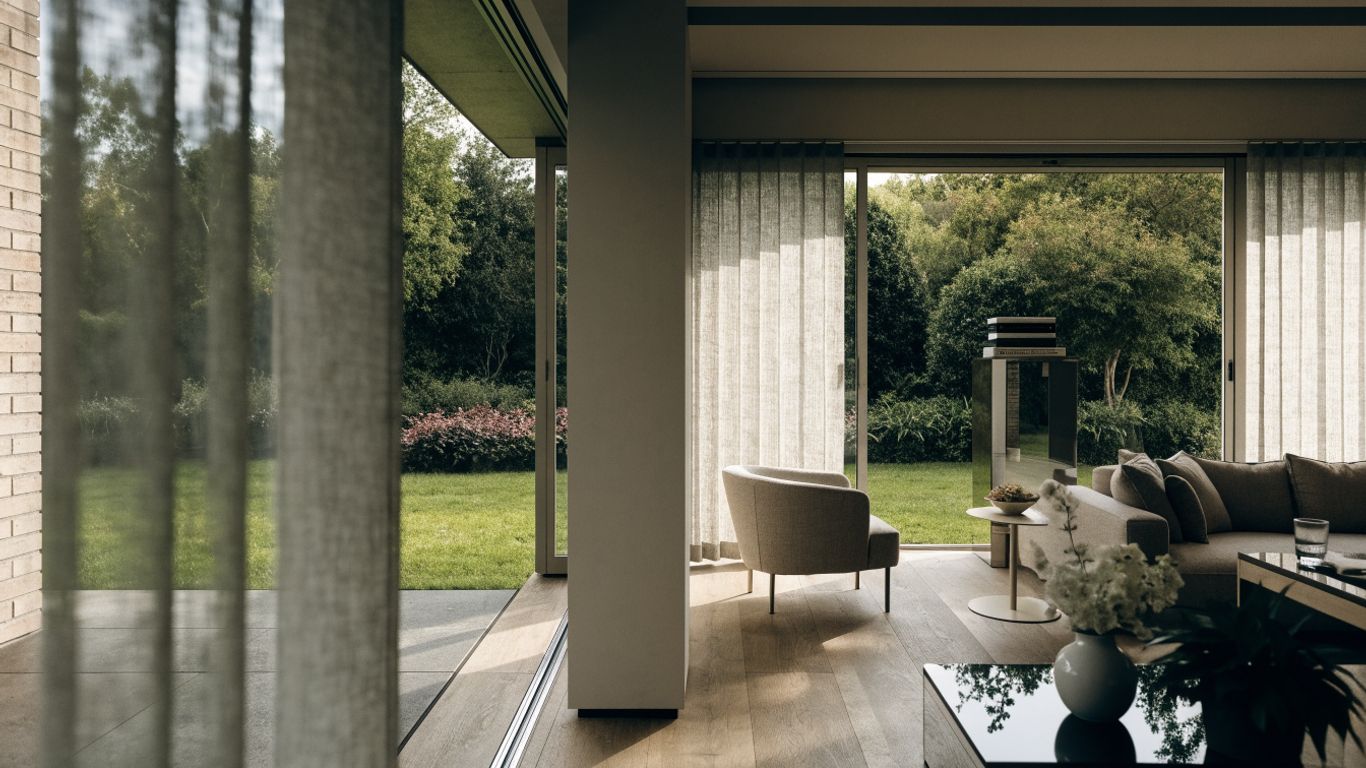
Panel shades for sliding doors are wide fabric panels that glide sideways along a track, giving a patio door or a long run of windows one clean, continuous covering that stacks neatly to the side when you need to walk through. For Ottawa and Gatineau homes with 6- or 8-foot sliding doors, they solve two common complaints about large openings: blinds that look busy, and coverings that get in the way of the door. This guide explains how panel shades work, how they compare with vertical blinds and sheer shades, and what the Capitall team checks before recommending them.
Key Takeaways
- Panel shades move horizontally, so they clear the doorway instead of hanging in front of it.
- They are available in 3, 4, 5 or 6-panel setups on a white track that mounts to the ceiling or the wall.
- Stack direction, mount height and fabric decide how well the finished covering works day to day.
- Vertical blinds or sheer shades can be the better fit in some rooms, so compare all three.
- In Ottawa and Gatineau homes, plan around baseboard heaters, nearby walls and winter condensation before ordering.
Why Wide Windows and Sliding Patio Doors Are Hard to Cover
A wide window or sliding patio door is part of the room’s architecture, not a small opening to dress as an afterthought. The covering has to manage daylight and privacy without crowding the room or blocking a door that may be used dozens of times a day in summer. That balance is harder to strike when the opening is wide, used often, or close to furniture, a kitchen counter or a side wall.
Common Problems with Standard Blinds on Large Openings
On a large opening, narrow slats create a lot of lines, and two or three separate blinds side by side can look patchy. A horizontal blind usually has to be raised before anyone can use the door, and a long one is heavy and awkward to lift every time the dog needs out. If the covering is too short, too narrow or mounted inside a shallow frame, light and privacy feel uneven across the glass. These are the practical reasons homeowners search for the best blinds for sliding glass doors instead of ordering a bigger version of a standard window blind.
What Ottawa and Gatineau Homes Need from a Wide-Window Covering
Start with how the space is used: how often people pass through the door, when direct sun reaches the glass, and whether the window faces neighbours or a shared yard. Ottawa’s light changes a lot through the year, from long, bright July evenings to short winter days when every bit of daylight counts, so a fabric that works in summer may feel too dark in January. Before comparing window coverings for sliding doors, note the frame size, the door handle position, nearby trim, any baseboard heater below the glass, and the side where you want the panels to gather.
What Are Panel Shades and How Do They Work?
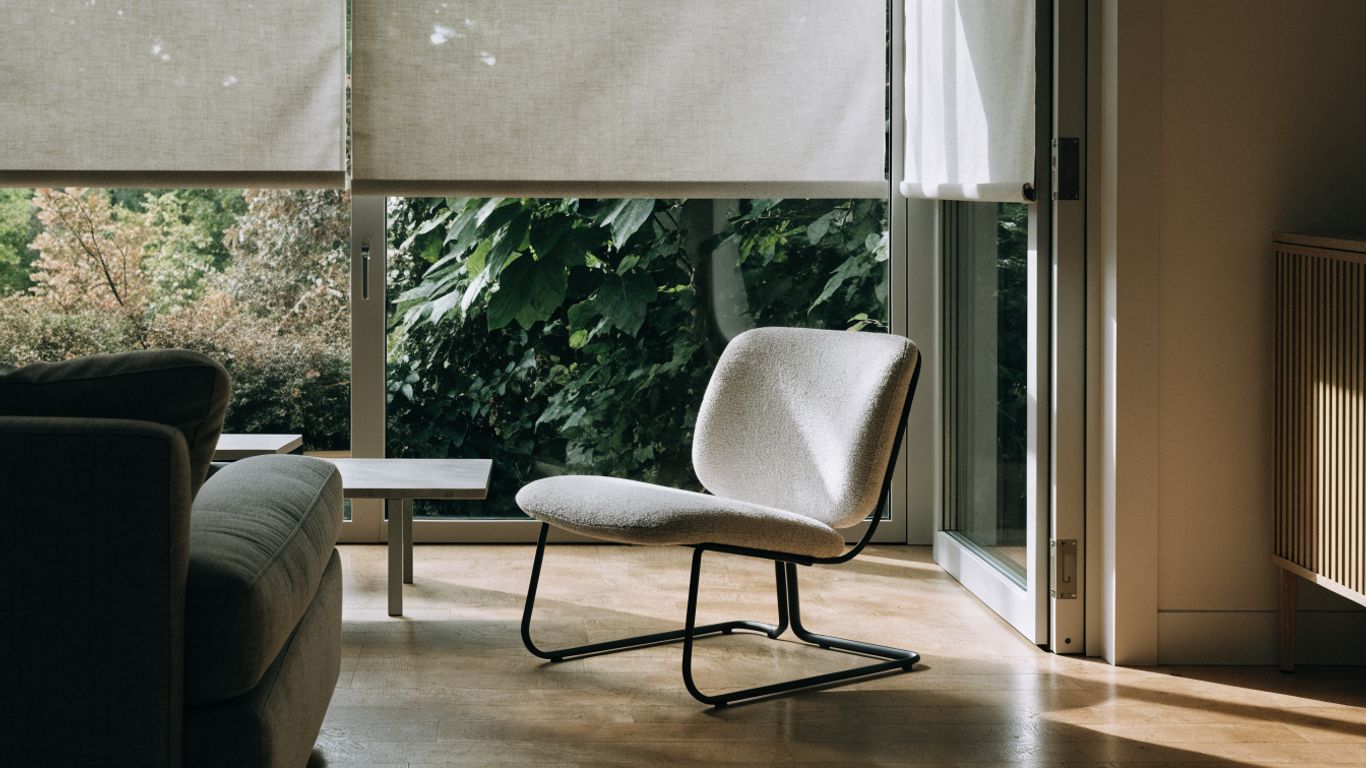
Panel shades, also called panel track blinds or sliding panel blinds, use wide flat fabric sections that move horizontally along a track. When opened, the panels slide behind one another and gather at one or both sides of the opening. Their broad, simple surfaces look more tailored across a patio door or a row of windows than a series of narrow vanes. Capitall Windows offers panel shades as part of its custom blinds range, and they are one of the most practical window treatments for wide windows when there is enough wall space for the stack.
How the Sliding Track System Works
A white track is mounted above the opening, either on the ceiling or on the wall, and each fabric panel hangs from carriers that glide along it. Pulling the panels across changes how much glass is covered; when fully open, the panels sit stacked together, roughly the width of a single panel. Before choosing a layout, think about which side of the door slides, where the handle sits, and the path people take through the room.
| Consideration | What to check | Why it matters |
|---|---|---|
| Track placement | Ceiling or wall clearance, bulkheads, trim | Decides where the panels can travel |
| Stack direction | Left, right or split in the centre | Affects the clear doorway and the view |
| Panel overlap | How the panel edges meet when closed | Controls light gaps across the opening |
| Fabric | Light filtering or more opaque | Changes daylight and privacy |
| Heaters and hardware | Baseboard heaters, door handles, security bars | Keeps panels from rubbing or blocking |
The table is a starting point, not a substitute for an on-site measurement. Capitall’s installers confirm clearances at the final measure so the panels do not catch on the handle or drag on the floor.
Choosing Between 3, 4, 5 or 6 Panels
Panel count affects the width of each panel, the number of seams across the glass and the size of the stack when open. A standard 6-foot patio door often suits a 3 or 4-panel layout, while an 8-foot door or a wall of windows may need 5 or 6 panels so each one stays a manageable width. More panels do not automatically mean better coverage; the right number depends on the track length and how much of the opening you want clear when the shades are open. Bring exact measurements to the estimate and note which side of the door must stay free.
Benefits of Panel Shades for Sliding Doors and Large Windows
The appeal of panel shades for sliding doors is both practical and visual: they treat a large expanse of glass as one design element. Their side-to-side movement matches the way a sliding door opens, and the flat fabric gives a softer, less busy look than narrow vertical vanes. They suit a single patio door or a wider glazed wall, provided the room has space for the track and the stack.
One Clean, Modern Look Across the Entire Opening
Wide panels create fewer, larger sections across the glass, so the covering reads as part of the room rather than a collection of slats. This matters most when a large window is already the focal point, as with the bigger openings covered in wide-opening windows for Ottawa townhouses. A quiet neutral blends with walls and trim, while a textured weave gives the opening more presence.
Easy Everyday Access to Your Sliding Door
Because the panels travel sideways, you can slide them away from the doorway in one motion instead of lifting a heavy blind. The best layout depends on which panel of the door operates, so do not assume a standard stack direction will suit your home. When the stack lands over the fixed glass rather than the moving panel, the doorway stays fully clear, which is usually the right trade-off on a busy back door.
Flexible Light Control and Privacy
Fabric choice decides how much daylight enters and how private the room feels, but fit and panel overlap matter just as much. Light-filtering fabrics soften strong sun while keeping the room bright; more opaque fabrics cut glare on a TV or a south-facing door. This is especially useful on rooms with big south or west exposure, the same rooms discussed in picture windows and heat loss on south-facing Ottawa homes. No fabric guarantees total darkness, because light can pass around the edges, so check samples both in daylight and at night with indoor lights on.
Panel Shades vs Vertical Blinds vs Sheer Shades for Sliding Glass Doors
No single covering suits every sliding glass door. Capitall Windows offers all three of these options for large openings, so the choice comes down to look, access, light and privacy.
| Panel shades | Vertical blinds | Sheer Elite shades | |
|---|---|---|---|
| Look | Broad, flat fabric panels | Narrow vertical vanes | Soft fabric vanes between sheer layers |
| How it opens | Panels slide and stack to the side | Vanes rotate and draw to the side | Vanes rotate and draw to the side |
| Light control | Set by fabric choice | Vanes tilt to adjust light | Filtered light with a soft, sheer view |
| Best for | Clean modern look, room dividers | Fine light adjustment, familiar format | Bright rooms where softened daylight is the priority |
Vertical blinds make more sense when you want to tilt the vanes to fine-tune light without opening the covering, or when you prefer that familiar format. Sheer Elite shades are the better choice when filtered daylight and a lighter look come first, such as a bright living room facing the backyard. Panel shades win when you want the cleanest look and the simplest everyday access to the door. Seeing samples at home under your own lighting is the most reliable way to decide.
What the Capitall Team Sees Most on Ottawa and Gatineau Sliding Doors
Pete Crete, Capitall’s Sales Manager, spent roughly three decades installing windows and doors before moving into sales, and Alex Ganea, Installation Manager, brings more than 15 years of hands-on installation experience and oversees Capitall’s installation crews and quality control. Across homes in Ottawa, Gatineau and the surrounding area, a few situations come up again and again when homeowners ask about covering a sliding door:
- Baseboard heaters under the glass. Many local homes, particularly those heated with electric baseboards, have a heater right below a wide window or beside a patio door. Floor-length panels need enough clearance from the heater, so the mount height and fabric length are planned around it.
- Not enough wall for the stack. In townhouses and condos, the sliding door often sits close to a side wall, a kitchen cabinet or a corner. If the stack cannot land on the wall, it is usually placed over the fixed glass panel so the doorway stays clear.
- Winter condensation behind the fabric. On the coldest nights, a shade closed tight against a patio door can hold cool air against the glass, and moisture may form. Opening the panels during the day and keeping indoor humidity in check helps. If frost keeps returning, the door or glass may be the real issue; see frost on the inside of windows in winter and Capitall’s window condensation service.
- Handles and door hardware. The track has to sit far enough out from the frame that the panels clear the door handle and any security bar.
- A tired door behind the covering. A sliding door that is drafty, hard to slide or foggy between the panes will not be fixed by a new shade. In that case, the team will point out whether replacing the patio doors should come first.
These details are checked during the in-home estimate, and Pete, Alex and office coordinator Lucy Gagnon all work in both English and French, which makes visits on the Gatineau side straightforward.
Best Rooms in the Home for Panel Shades
A living room or family room with a sliding patio door is the most common place for panel shades, especially when the door is used daily in summer for the deck or backyard. A wide set of windows also benefits from one coordinated covering rather than several separate blinds.
In a kitchen or dining area, the choice usually comes down to balancing afternoon sun with evening privacy. Check fabric samples at different times of day, since colour and transparency change between morning light and dinner time. Panel shades also work well in a three-season room or sunroom, where large glass areas need shade without heavy hardware; see porch enclosures and three-season rooms in Ottawa for planning those spaces.
Panel shades can also act as a room divider in open-plan spaces, such as separating a home office corner from a living area or closing off a basement guest space. A light-filtering fabric softens the view while letting light through, while a denser fabric gives more visual separation. As with any opening, measure the full travel path and check for furniture, heaters and trim first.
Ceiling Mount vs Wall Mount: Which Works Best for Your Space?
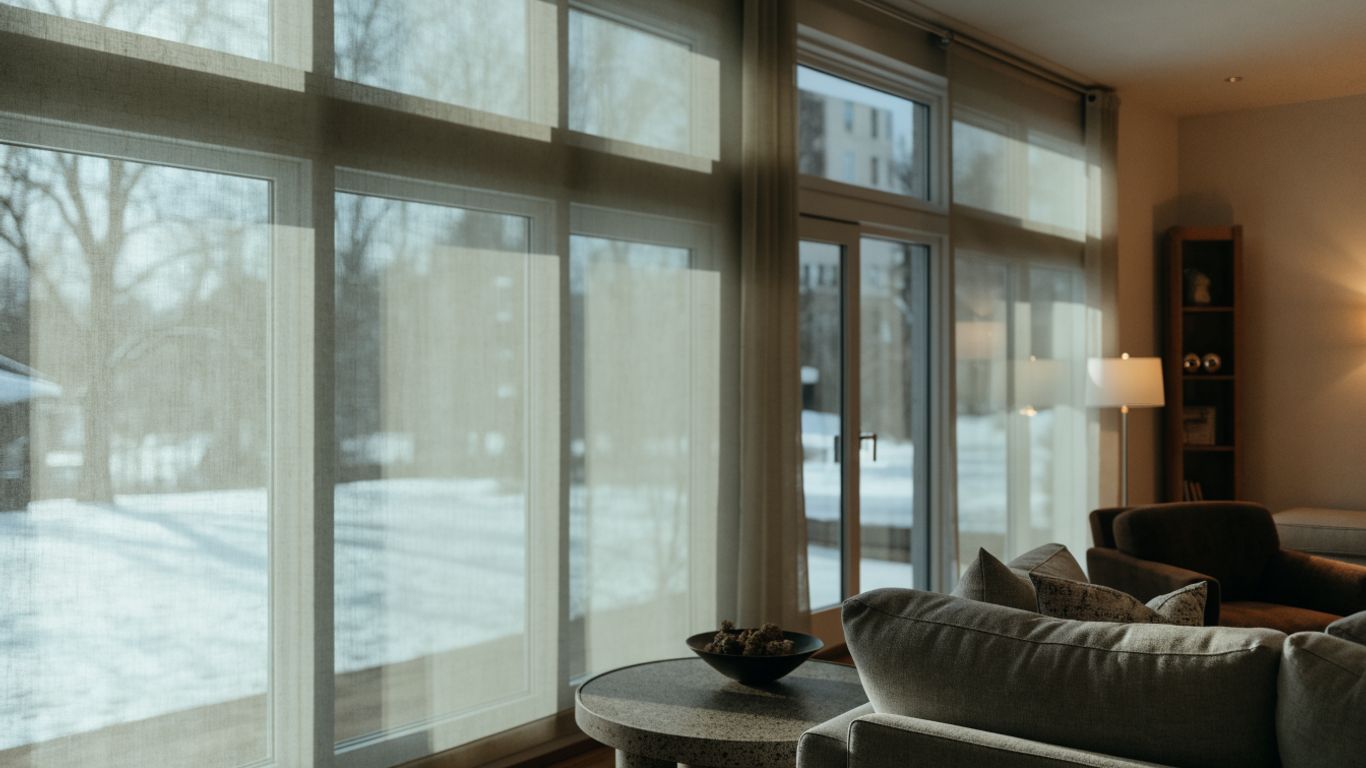
A ceiling mount gives a continuous look from ceiling to floor and makes the opening feel taller. It also lets the track extend past the frame so the stack sits on the wall instead of the glass. Look for obstructions first: bulkheads, pot lights and uneven ceilings are common in condos and finished basements.
A wall mount attaches above the door or window frame. It is the practical choice when the ceiling is not suitable or when you want to work within existing trim and crown moulding. Confirm the track can sit far enough forward to clear handles and hardware, and check the height so the panels do not drag on the floor or rub on a sill.
Neither method is automatically better; the structure of the room and the coverage you want decide. Capitall’s installers confirm the mount depth and support during the final measure so the panels do not catch or leave an awkward gap.
Choosing Fabrics and Colours That Suit Your Home
Fabric changes both the look and the day-to-day experience of a panel shade. Light-filtering material keeps a room bright and soft; more opaque fabric gives greater privacy and glare control. If privacy matters, look at the sample from inside and outside under evening lighting rather than relying on its name.
Colour can either blend the panels into the room or make the window a focal point. Hold samples next to flooring, wall paint, cabinets and upholstery, since those finishes change how a shade reads. On a wide opening, even a small difference in tone or texture becomes more noticeable across the full span, so judge the overall effect rather than a small swatch.
For homes with young children, cordless or wand-operated coverings are worth asking about. Health Canada’s Corded Window Coverings Regulations, in force since 2021, apply to window coverings sold in Canada to reduce strangulation risks from cords.
Get Custom Panel Shades with $0 Down Financing
Custom sizing is what makes panel shades for sliding doors look right, so every order starts with accurate measurements and a mounting plan. A free in-home estimate covers the opening size, panel count, stack direction, fabric and mount type in one visit.
Capitall Windows offers custom blinds with $0 down financing and monthly payments that can start as low as $10. Ask for the full terms in writing, including eligibility and payment schedule, and see window replacement financing in Ottawa if you are also planning new windows or doors. Natural Resources Canada notes that window coverings can reduce energy loss through windows and improve comfort, so the right shade adds value beyond looks.
Before you commit, review the final dimensions, fabric, panel count, stack direction and mount type together, and make sure the open panels leave the main path to the door clear.
Conclusion
Panel shades for sliding doors bring a clean, coordinated look to patio doors and wide windows when the track, stack, fabric and mount suit the room. Measure carefully, think about how you move through the space, and compare samples in your own light. For homeowners in Ottawa, Gatineau and the surrounding area, the Capitall team can measure the opening, check heaters, hardware and stack space, and recommend the layout that fits. Book a free estimate to get started.
Frequently Asked Questions
Are panel shades a good choice for sliding patio doors?
Yes, in most homes. Panel shades for sliding doors move sideways like the door itself and stack out of the way, so the doorway stays clear. The key is setting the stack on the fixed side of the door and confirming the track clears the handle.
How many panels does a wide window or patio door need?
It depends on the width and how much stack space you have. A 6-foot sliding door often suits 3 or 4 panels, while an 8-foot door or a wide window wall may need 5 or 6 so each panel stays a manageable width. Capitall offers 3, 4, 5 and 6-panel setups.
Do panel shades provide privacy at night?
They can, with the right fabric. Opaque and room-darkening fabrics give the most privacy after dark, while light-filtering fabrics may show silhouettes with lights on inside. Check a sample at night before deciding.
Can panel shades block all incoming light?
Not completely. Even with an opaque fabric, some light passes around the edges and where panels overlap. A ceiling mount that extends past the frame reduces gaps the most.
Are panel shades and panel track blinds the same thing?
Yes. Panel shades, panel track blinds and sliding panel blinds all describe wide fabric panels that slide horizontally along a track.
Panel shades vs vertical blinds: which is better for a sliding door?
Panel shades give a cleaner, more modern look with fewer lines. Vertical blinds let you tilt vanes to fine-tune light without opening them. Both work well on sliding doors, so the choice comes down to style and how you like to control light.
Should panel shades be mounted on the ceiling or the wall?
Either works. A ceiling mount looks taller and lets the stack sit past the frame; a wall mount is better when there are bulkheads, pot lights or crown moulding in the way. Clearances are confirmed at the final measure.
What should I measure before ordering panel shades?
Measure the full width and height of the opening, then note the door handle, nearby trim, any baseboard heater and the wall space on each side for the stack. A free in-home estimate confirms these details before ordering.